August 20, 2026
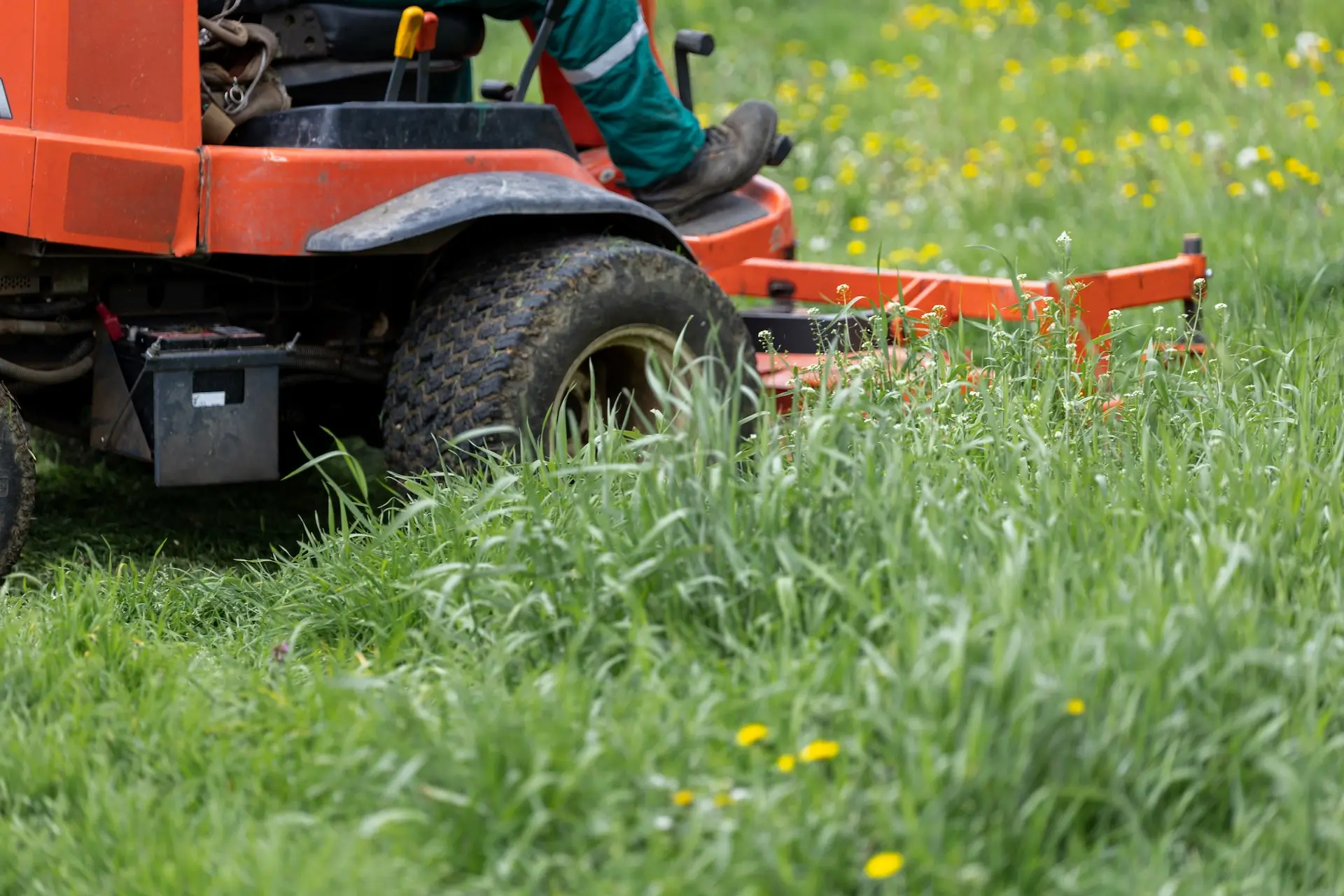
Start by Identifying What Needs to Be Cleared
The best equipment for clearing overgrown land depends on whether the property is covered with tall grass, vines, thick brush, saplings, fallen branches, stumps, or piles of debris. “Land clearing” can describe several different jobs, and one machine may not handle every stage efficiently.
A bush hog can cut tall vegetation, but it is not intended to grind stumps. A wood chipper can reduce branches, but it will not pull roots from the ground. A skid steer can move debris, but a standard bucket does not replace a brush cutter. Matching the rental to the material can save time and prevent unnecessary wear on the equipment.
Before beginning, walk the property carefully and identify hidden obstacles, uneven ground, utility markers, fencing, rocks, drainage features, and anything else that could affect the work.
Quick Guide to Land-Clearing Equipment
| Material or Task | Recommended Rental | Why |
| Tall grass and heavy weeds | High-weed bush hog | Cuts overgrown vegetation more efficiently than a mower |
| Fallen branches | Wood chipper | Reduces manageable branches into smaller material |
| Logs and firewood | Log splitter | Splits cut sections for easier handling or reuse |
| Visible stumps | Stump grinder | Grinds the stump below the surrounding surface |
| Roots and buried material | Mini excavator | Digs below ground and loosens root systems |
| Loose brush and debris piles | Skid steer | Collects, carries, and loads material |
| Large open property maintenance | Tractor with attachment | Covers broader areas and supports multiple property tasks |
| Soil preparation after clearing | Tiller, box blade, or skid steer | Helps reshape and prepare the newly cleared ground |
Divide the Project Into Stages
A heavily overgrown property is usually easier to clear when the work is planned in a logical order.
Survey the Property
Before cutting anything, walk the site and determine what is hidden beneath the vegetation. Look for wire, old fencing, concrete, discarded materials, holes, stumps, irrigation components, and utility structures.
Dense vegetation can conceal hazards that damage equipment or injure the operator.
Cut the Vegetation
Tall grass, weeds, and brush should generally be cut before larger debris is moved. Reducing the vegetation makes the ground easier to inspect and provides better access for other equipment.
The appropriate cutting machine depends on the height, density, and thickness of the growth.
Process Branches and Wood
Once trees or branches are safely on the ground, a chipper or log splitter may make the material easier to reuse, transport, or dispose of.
Not every piece of wood is suitable for every machine. Confirm diameter limits and equipment requirements before feeding or splitting material.
Remove Stumps and Roots
Stumps can be ground below the surface or excavated with their roots. The best approach depends on future plans for the property.
A lawn area may only require the visible stump to be ground, while construction or deep grading may require more of the root system to be removed.
Move and Load Debris
Cutting material is only part of the job. Branches, brush, soil, and wood still need to be piled, chipped, transported, or loaded.
A skid steer or compact loader can make this phase significantly more efficient than moving everything by hand.
Prepare the Ground
After the debris is removed, the site may need grading, tilling, filling, compacting, or reseeding. Planning for the final condition of the property can help you reserve the right equipment for the full project.
Clearing Tall Grass and Heavy Weeds
A standard lawn mower is not designed for every overgrown property. Tall weeds and thick vegetation can overwhelm lighter equipment and hide hazards.
When to Rent a High-Weed Bush Hog
A high-weed bush hog rental is intended for vegetation that is too tall or dense for a typical mower. It can help open trails, reclaim neglected yard areas, and cut heavy seasonal growth.
The area should still be inspected for rocks, wire, large branches, and other objects before mowing begins.
Bush Hog vs. Lawn Mower
A lawn mower is best for maintained grass at a manageable height. A bush hog is built for rougher vegetation and less-finished areas.
Once the initial heavy growth is removed, a zero-turn mower or other lawn equipment may be more appropriate for ongoing maintenance.
Bush Hog vs. Brush Removal
Cutting vegetation does not remove it from the property. A bush hog reduces plant growth, but branches, thick vines, and cut debris may still need to be gathered.
A skid steer, chipper, rake, or manual cleanup may be needed depending on the amount and type of material left behind.
Clearing Brush and Saplings
Brush clearing becomes more complex when the area includes woody stems, vines, and young trees.
Evaluate the Thickness of the Growth
The diameter and density of the stems matter more than the overall height. Equipment designed for grass and weeds may not be suitable for larger woody growth.
Do not assume that a machine can process a sapling simply because it can drive over it. Confirm the equipment’s intended use and operating limits.
Create Safe Access First
When visibility is limited, begin at an accessible edge and work gradually into the area. This makes it easier to identify hazards before driving equipment over them.
Avoid creating unstable piles that block access or conceal sharp cut material.
Separate Cutting From Debris Handling
One machine may cut the growth, while another handles the remaining material. Planning separate cutting and cleanup stages can be more efficient than asking one rental to perform work it was not designed to do.
When to Rent a Wood Chipper
A wood chipper can reduce suitable limbs and branches into smaller material that is easier to transport or reuse.
Good Projects for a Wood Chipper
A chipper may be useful for:
- Processing trimmed branches
- Reducing storm debris
- Cleaning up small-tree removal
- Managing piles from property maintenance
- Creating wood chips for appropriate landscaping uses
- Reducing the volume of material before hauling
Yesco’s P731 wood chipper rental can support larger cleanup projects where branches would otherwise take up substantial space.
Prepare Branches Before Chipping
Remove incompatible materials such as wire, rocks, soil-covered roots, and construction debris. Arrange branches so they can be fed safely without repeatedly untangling the pile.
Confirm the maximum branch diameter and operating instructions for the specific machine before beginning.
A Chipper Does Not Replace a Stump Grinder
A wood chipper processes branches that can be fed into the machine. It is not designed to remove a stump that remains anchored in the ground.
Stumps require grinding, excavation, or another removal method.
Stump Grinder vs. Mini Excavator
Both machines can play a role in stump removal, but they approach the job differently.
Rent a Stump Grinder for Targeted Removal
A stump grinder rental removes the visible stump by grinding it into smaller material. This can limit the size of the disturbed area compared with digging out the entire root system.
Grinding may be appropriate when the goal is to mow, landscape, or improve the appearance of the surface.
Rent a Mini Excavator for Roots and Excavation
A mini excavator rental can expose roots, loosen compacted soil, and pull smaller stumps or buried material from the ground.
Excavation may make more sense when the property will be graded deeply, built on, trenched, or otherwise disturbed below the surface.
Consider the Hole and Debris Left Behind
Digging out a stump creates a larger hole and a bulky root ball that must be moved or disposed of. Grinding produces chips and leaves more of the root system underground.
The planned use of the area should determine which result is more appropriate.
When to Use a Skid Steer
A skid steer becomes especially useful after vegetation has been cut and loosened.
Gathering and Moving Brush
The machine can help consolidate loose vegetation, carry debris, and move material to a chipper, trailer, burn pile where permitted, or other approved disposal area.
The correct attachment matters. A standard bucket may work for loose soil and small debris, while other material may require a compatible specialized attachment.
Loading Trailers and Containers
A skid steer can reduce manual lifting by loading dirt, branches, broken material, and other suitable debris.
The trailer or container should be positioned on stable ground with enough clearance for safe equipment movement.
Spreading Fill After Clearing
Once stumps, roots, or debris have been removed, the remaining holes and uneven areas may need fill. A skid steer can carry and spread soil across the cleared area.
Yesco’s skid steer rentals in Panama City can support both cleanup and rough grading phases.
When to Rent a Tractor
A tractor may be a better option when the work covers a larger open property and includes repeated maintenance or soil preparation.
Working Across Larger Areas
Tractors are suited to broader properties where travel distance and repeated passes would be inefficient with a smaller walk-behind machine.
Yesco’s Kubota tractor rental can be paired with compatible attachments depending on the work being completed.
Preparing Soil After Vegetation Removal
Once brush is cleared, a tractor attachment may help rake debris, break up soil, reshape the surface, or prepare an area for planting.
Yesco’s tractor attachment rentals include options for different soil and property-maintenance tasks.
Tractor vs. Skid Steer
A tractor is often well suited to open property maintenance and pulling attachments. A skid steer is generally more maneuverable for loading, carrying, and working in compact areas.
Access, terrain, ground conditions, and the main task should determine which machine is the better fit.
When a Log Splitter Makes Sense
Not every property-clearing project requires all wood to be chipped or hauled away.
Turning Logs Into Manageable Sections
After suitable trees or large limbs have been safely cut into sections, a 30-ton log splitter rental can reduce them into more manageable pieces.
This may be useful when the wood will be dried and reused rather than discarded.
Separate Cutting, Chipping, and Splitting
A chipper is intended for branches, while a log splitter is designed for cut rounds or suitable log sections. Neither replaces the equipment and expertise needed to safely fell a standing tree.
Large or hazardous tree removal should be handled by qualified professionals.
Clearing Land After a Storm
Storm cleanup can involve unstable trees, hidden power lines, sharp debris, waterlogged soil, and damaged structures.
Address Immediate Hazards First
Do not begin equipment work near downed power lines, leaning trees, unstable structures, or active utility hazards. Contact the appropriate utility company or qualified professional.
Rental equipment should only be introduced after the work area has been evaluated and immediate dangers have been addressed.
Sort Debris by Type
Separate vegetation from construction debris, metal, household waste, and other materials. A wood chipper should never receive nails, wire, rocks, or mixed storm debris.
Sorting can also make disposal and equipment selection more efficient.
Consider Ground Conditions
Heavy equipment can rut saturated soil and become difficult to maneuver. Waiting for safer conditions or choosing a compact tracked machine may reduce surface damage.
Discuss wet, sandy, sloped, or unstable terrain before reserving equipment.
Common Land-Clearing Mistakes
Careful planning can prevent equipment damage, project delays, and unnecessary work.
Renting One Machine for Every Stage
A versatile machine is not automatically the best machine for each task. A skid steer may move brush well but will not replace a chipper or stump grinder.
Renting equipment by project phase can be more efficient than forcing one machine to perform unrelated work.
Ignoring the Cleanup Plan
Cut vegetation, excavated roots, and ground stumps all create material that must go somewhere. Decide whether it will be chipped, hauled, reused, or disposed of before the project begins.
The volume of finished debris may affect trailer needs and rental duration.
Forgetting About Access
Measure gates, paths, and clearances. Consider septic systems, soft ground, slopes, landscaping, and areas where equipment cannot turn around.
A machine that technically fits through a gate may still need additional room to operate safely.
Clearing More Than Necessary
Identify the intended use of the property before removing vegetation. Selective clearing may preserve shade, reduce erosion, and require less restoration than stripping the entire site.
Mark vegetation and features that should remain before work begins.
Questions to Answer Before Renting
Providing clear project details helps the rental team recommend appropriate equipment.
What Material Covers the Property?
Estimate whether the site contains mostly grass, weeds, woody brush, saplings, branches, stumps, or mixed debris.
How Large Is the Area?
Provide approximate dimensions or acreage and note whether the growth is concentrated or spread across the property.
What Is the Largest Material Being Processed?
Estimate branch and stump diameters. Equipment capacity is especially important when selecting a chipper or stump grinder.
What Will the Property Be Used for Next?
A site being prepared for mowing may require a different finish than one being prepared for construction, fencing, drainage, or landscaping.
How Will Debris Be Removed?
Determine whether material will be chipped, split, hauled, loaded into a container, or reused on site.
Land-Clearing Equipment Rentals in Panama City
Property owners and contractors in Panama City, Panama City Beach, Lynn Haven, Callaway, Springfield, Parker, and surrounding areas may encounter anything from fast-growing weeds to storm-damaged branches and long-neglected lots.
Yesco offers equipment and tool rentals in Panama City for cutting vegetation, processing branches, grinding stumps, excavating roots, moving debris, and preparing the ground afterward.
Before reserving equipment, describe the vegetation, approximate property size, access conditions, largest branches or stumps, and final goal for the site. The Yesco team can help you compare available rentals and avoid choosing too much machine or the wrong machine for the work.
Contact Yesco or call (850) 277-0000 to discuss your project and check current availability.