October 27, 2026
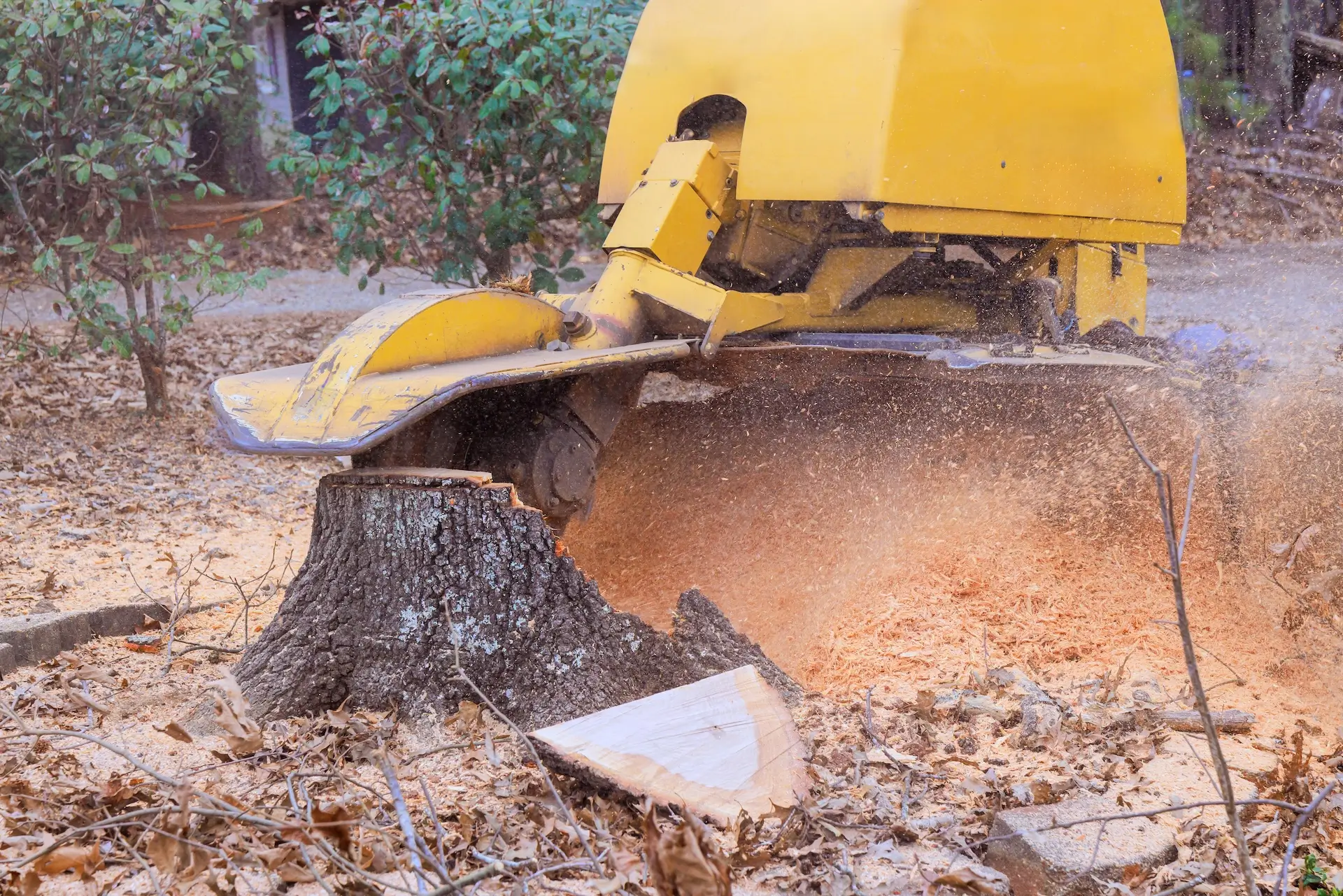
Renting a stump grinder can make sense when the stump is accessible, the ground is stable, underground utilities have been marked, and the operator is comfortable using powered equipment. A professional may be the better choice when a stump sits near utilities, a foundation, fencing, steep ground, or other hazards.
Homeowners and property managers may start by searching stump grinder rental Panama City FL or stump grinder rental near me. The best first step, however, is measuring the stump, checking the route into the work area, and deciding what the property will be used for after the stump is gone.
Is DIY Stump Removal Right for This Project?
Grinding is one answer to how to remove a tree stump, but it is not the same as excavating the full root system. A grinder reduces the visible stump and some material below grade into chips. Most roots remain in the soil and decay over time.
That distinction matters. Grinding may suit an area that will return to lawn or landscaping. If the site will support a building, driveway, drainage project, retaining wall, or deep grading, the project may require excavation or professional evaluation instead. Yesco’s guide to equipment for clearing overgrown land compares stump grinding with excavation and other property-clearing steps.
Use this quick project-readiness chart before reserving tree stump removal equipment:
| Project factor | Rental may be appropriate when | Ask a professional when |
| Stump and roots | The stump is exposed and its size and root flare can be measured. | The stump is unusually large, entangled with another tree, or hiding unknown material. |
| Access | The machine has a clear route and enough room to work. | Gates, walls, landscaping, septic components, or structures limit movement. |
| Ground | The site is level, firm, and dry enough for the equipment. | The ground is steep, saturated, washed out, or unstable. |
| Buried hazards | Utilities are marked and the area has been checked for rock, wire, metal, and concrete. | The stump is close to marked lines or buried obstructions cannot be identified. |
| Operator | The renter can follow the manual, orientation, and protective-equipment requirements. | No one on site is comfortable controlling the machine safely. |
| Final use | The goal is surface-level lawn or landscape restoration. | Construction or deep grading may require root excavation. |
If several items land in the right-hand column, DIY stump removal is probably not the best approach.
What Size Stump Grinder Do I Need?
Choose a grinder by the actual stump, access route, terrain, and desired depth, not by diameter alone. Measure the stump at its widest point, including the root flare. Note its height above grade and count nearby surface roots. Then measure the narrowest gate, path, and turn along the route from the loading point to the stump.
Yesco’s STX 26 Stump Grinder is 34 inches wide, 78 inches long, and 48 inches high. Its cutting wheel is 19 inches in diameter, and its published cutting range extends from 35 inches above grade to 12.5 inches below grade. Those specifications help with access and capability, but they do not show whether the machine is appropriate for every stump or site.
Share your measurements, stump condition, slope, soil conditions, and final project goal with the rental team. For a broader property project, review Yesco’s available heavy equipment rentals rather than assuming one machine can handle grinding, excavation, debris movement, and grading.
Prepare the Site Before Pickup or Delivery
Site preparation protects the operator, the property, and the machine. Complete these steps before the rental period starts:
- Contact Sunshine 811. Request utility locates before disturbing the ground, allow the required response time, and respect every marked tolerance zone. Privately owned lines may require separate locating.
- Inspect the work area. Remove loose rocks, gravel, branches, trash, toys, and movable objects. Look for old fence wire, nails, landscape edging, concrete, irrigation parts, and other material around or inside the stump.
- Measure the full route. Confirm gate width, overhead clearance, slopes, steps, soft ground, and turning room. The route must accommodate more than the machine’s listed width because the operator also needs safe working space.
- Protect the surroundings. Move vehicles and fragile items away from the area. Keep people and pets outside the work zone according to the operator’s manual and rental instructions.
- Plan for chips and soil. Grinding produces a mixture of wood chips and dirt. Decide where excess material will go and have suitable cleanup tools ready.
- Check conditions on the workday. Wet or unstable soil can affect traction and damage the property. Postpone the work or ask the rental team for guidance if conditions have changed.
Property managers should also notify occupants, restrict access, and confirm that the planned work complies with site rules. After a storm, wait until utilities, damaged trees, structures, and ground conditions have been evaluated. Yesco’s storm cleanup equipment guide explains why immediate hazards come first.
Know the Operating Requirements Before You Rent
Can I grind a stump myself? Possibly, but only if the site and machine are suitable and you can follow the equipment instructions. Ask what orientation is provided, which protective equipment is required, how the grinder will be transported, what fuel and return conditions apply, and what to do if the cutting wheel contacts a hidden object.
Read the operator’s manual before starting. Inspect the machine with the rental team, document existing damage, and identify every control and shutdown procedure. Do not improvise operating techniques from a general article. The manual and rental orientation for the specific machine take priority.
You may need more than a grinder for a larger cleanup. Yesco’s equipment and tool rentals include options for moving debris and preparing a property, but each phase should be matched to equipment designed for that task.
Stump Grinding FAQs
How deep should a stump be ground?
The right depth depends on what comes next. Lawn and shallow landscaping may need a different finish than construction or drainage work. Yesco lists a maximum cutting depth of 12.5 inches below grade for its STX 26, but the planned use of the site should determine the project requirement. Grinding does not remove the whole root system.
How long does it take to grind a stump?
There is no reliable universal time. Stump diameter, wood species, age, root flare, condition, soil, access, machine fit, operator experience, and cleanup all affect the schedule. Provide measurements when reserving and allow time for setup, safe operation, and debris handling.
What should happen to the hole and wood chips?
Remove excess chips, then restore the area for its intended use. If the area will become lawn, expect the chip-and-soil mixture to settle and plan for suitable fill and reseeding. Do not assume loose chips alone will remain level.
Where can I find equipment rental in Panama City FL?
Yesco serves homeowners, property managers, and contractors from its Panama City location. Contact Yesco or call (850) 277-0000 with the stump measurements, access width, ground conditions, project goal, and preferred timing. The team can confirm current availability and help determine whether the STX 26 is a practical fit.