August 19, 2026
Choosing Equipment Based on the Drainage Problem
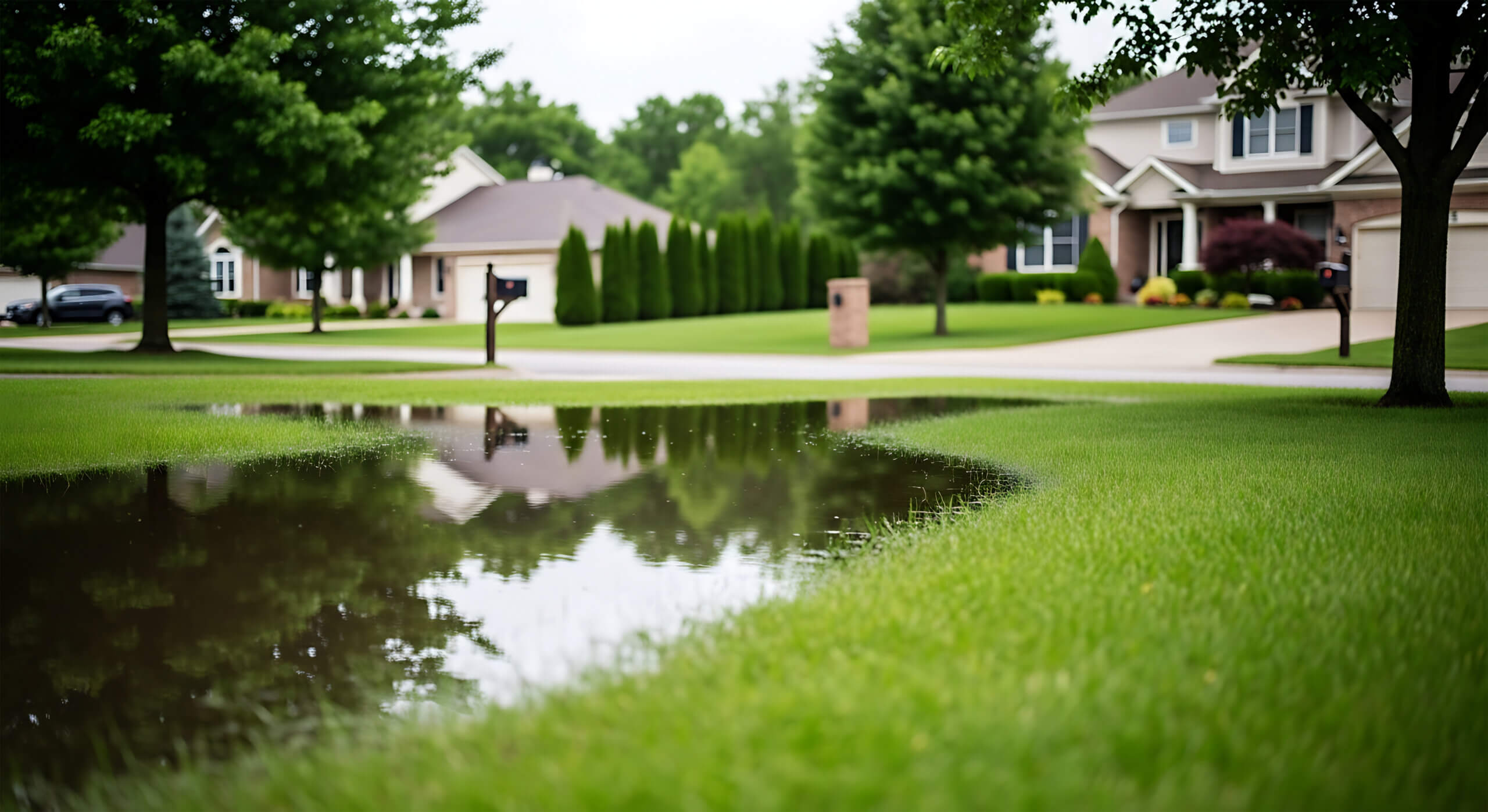
Standing water, soggy soil, erosion, and water flowing toward a home can all point to a drainage problem, but they do not always require the same solution. The best equipment for yard drainage depends on where the water is coming from, where it needs to go, and how much digging the project requires.
A narrow French drain may call for a trencher. A wider drainage ditch may be easier to shape with a mini excavator. If the work area is already flooded, a pump may be needed before digging can begin. Once the drainage system is installed, compacting and grading equipment can help restore the area.
Before reserving equipment, determine the approximate length, width, and depth of the planned excavation. You should also consider access to the work area, soil conditions, underground utilities, and what will happen to the removed dirt.
Quick Guide to Yard Drainage Equipment
| Project Need | Recommended Rental | Why |
|---|---|---|
| Long, narrow drainage trench | Walk-behind trencher | Creates a consistent trench with less unnecessary excavation |
| Wider drainage ditch | Mini excavator | Provides better reach and control for shaping the ditch |
| Removing standing water | Pump | Helps dry the work area before excavation or repairs |
| Moving excavated soil or gravel | Skid steer | Carries and spreads larger amounts of material efficiently |
| Compacting backfill | Plate tamper | Helps settle soil or aggregate after installation |
| Creating holes for drainage structures | Post-hole auger or mini excavator | Makes focused excavation easier |
| Rough grading around the property | Skid steer or mini excavator | Helps reshape the ground so water moves in the intended direction |
Start by Identifying the Type of Drainage Work
Not every wet area needs to be excavated immediately. Understanding the problem first can prevent unnecessary digging and help you choose the right rental.
Standing Water in a Low Spot
Water that collects in one part of a yard may indicate that the ground needs to be reshaped or connected to a drainage outlet. The project could involve removing a high spot, filling a depression, creating a shallow swale, or installing a drain.
A mini excavator can help shape a defined drainage path, while a skid steer may be more efficient for bringing in and spreading fill across a broader area.
Water Flowing Toward a Building
When the surrounding ground directs water toward a house, shop, or other structure, the grade may need to be corrected. This generally requires careful shaping rather than simply digging a deep trench.
A mini excavator can remove soil from specific high areas, while a skid steer can spread material and establish a more gradual slope. The final approach should direct water away without creating a new problem on another part of the property.
Water That Has No Clear Outlet
A drainage trench needs somewhere to discharge. Before choosing equipment, determine whether the project will connect to an approved outlet, a dry well, another drainage feature, or a lower area of the property.
Local regulations, easements, neighboring properties, and underground infrastructure may affect where water can legally and safely be directed.
Flooded Work Areas
If water is already covering the area where repairs need to occur, excavation equipment may not be the first rental required. Yesco’s selection of pumps and general equipment can help remove standing water so the site can be evaluated and prepared for the next stage.
Pumping out an area does not solve the underlying drainage issue, but it may be necessary before trenches, pipes, or grading work can begin.
When to Rent a Trencher
A trencher is designed to cut a narrow channel through the soil. It is often a strong choice for drainage lines because it removes less ground than a wider bucket and can help maintain a more consistent path.
Projects That Work Well With a Trencher
A trencher may be appropriate for:
- French drain installations
- Downspout drainage extensions
- Landscape drainage pipe
- Irrigation lines
- Shallow utility pathways
- Long, narrow trenches across an open yard
Yesco offers both a 24-inch walk-behind trencher and an E-Z Trencher for projects with different depth and access needs.
When a Trencher May Not Be the Best Choice
A trencher may not be ideal when the project requires a broad ditch, irregular shaping, or excavation around large roots and other obstacles. It is designed to follow a relatively direct path rather than create a wide basin or reshape an entire slope.
Rocky ground, heavy roots, wet soil, and tight turns can also affect how efficiently a trencher performs. Site conditions should be discussed before choosing a specific model.
Trencher vs. Mini Excavator for Drainage
The choice between a trencher and mini excavator generally comes down to the shape of the excavation and how much control is required.
Choose a Trencher for a Narrow, Consistent Line
A trencher is often better when the drainage plan calls for a long, relatively narrow line with a consistent depth. It can reduce the amount of soil removed and may make the backfilling process more manageable.
This is particularly useful for pipe installations where the trench does not need to be much wider than the drainage material being placed inside it.
Choose a Mini Excavator for a Wider or Irregular Area
A mini excavator is usually better for a drainage ditch, swale, catch basin, washout repair, or excavation that changes shape along the route. Its boom and bucket provide more flexibility for reaching, shaping, and placing soil.
Yesco’s Sany mini excavator rental can also be useful when the work includes removing compacted soil, working around obstacles, or loading excavated material into a pile.
Consider How the Removed Soil Will Be Handled
A trencher generally leaves soil close to the cut, while a mini excavator can place it farther from the opening. If a large amount of dirt must be moved across the property or loaded into a trailer, a skid steer may still be needed.
Planning for the removed material before digging begins can prevent the excavation area from becoming crowded or inaccessible.
When to Use a Mini Excavator for Yard Drainage
A mini excavator provides more digging reach and control than a trencher. It is particularly useful when drainage work involves more than installing a straight pipe.
Digging Drainage Ditches
A mini excavator can create a wider ditch with sloped or shaped sides. This may be useful for open drainage channels, larger runoff areas, or repairs where erosion has changed the original ground level.
The operator can remove soil in controlled sections and make adjustments as the natural grade becomes clearer.
Creating Swales and Reshaping Slopes
A swale is a shallow, sloped area designed to guide water across a property. Creating one often involves removing soil from high areas and smoothing the surrounding grade rather than digging a deep trench.
The excavator bucket can establish the rough shape, while the machine’s blade can help smooth loose soil. A skid steer may be added when a larger amount of fill needs to be spread over an open area.
Excavating Around Obstacles
Tree roots, landscaping features, fences, and existing structures can make trenching more complicated. A mini excavator allows the operator to dig from a stationary position and place soil to the side, reducing the need to drive repeatedly through a narrow area.
The size of the machine should still be matched to available gate widths, turning space, ground conditions, and overhead clearance.
When to Use a Pump
Standing water can hide the condition of the ground and make digging more difficult. A pump may be needed to clear the area before a drainage line is repaired or installed.
Removing Water Before Excavation
Pumping water away can make it easier to identify low areas, damaged pipes, washouts, or blocked outlets. It also gives the operator a clearer view of the work surface.
The pump type and hose setup should be selected based on the amount of water, the material in the water, and how far it must be moved.
Managing Water During the Project
In areas with a high water table or continuing runoff, water may return during excavation. A pump can help keep the trench or work zone manageable while pipes, aggregate, or other drainage components are installed.
Water should always be discharged in an appropriate location that does not create erosion, flooding, or problems for neighboring properties.
When to Rent a Skid Steer
Digging is only one part of many drainage projects. Gravel, fill dirt, pipe bedding, and removed soil may all need to be moved around the property.
Moving Dirt and Gravel
A skid steer is generally more efficient than a mini excavator for repeatedly carrying material across an open area. It can move excavated soil away from the trench, bring gravel to the installation area, and spread fill once the system is complete.
Yesco’s skid steer rentals in Panama City can support drainage projects that include both material movement and grading.
Correcting Broad Grade Problems
When water collects because a large area is uneven, the solution may involve redistributing soil rather than digging one defined trench. A skid steer can push, spread, and level material across driveways, yards, building pads, and open work areas.
For more focused shaping around ditches and slopes, a mini excavator may still be the better first machine.
Compacting the Area After Installation
A drainage project is not finished when the pipe or aggregate is placed. Loose backfill can settle over time, creating depressions that collect water and require additional repairs.
Compacting Soil and Aggregate
A plate tamper rental can help compact suitable backfill in manageable layers. This creates a more stable surface than filling the entire trench at once and only compacting the top.
The right compaction method depends on the material used, the depth of the trench, and what will be installed over the repaired area.
Restoring the Surface
After compaction, the surface may need topsoil, sod, gravel, or another finish material. The restored grade should continue moving water toward the intended outlet rather than recreating the original low spot.
A sod cutter, roller, or other lawn and home rental equipment may help complete the final stage of a residential yard project.
Questions to Answer Before Renting Equipment
Gathering a few details before contacting the rental team can make it easier to match the machine to the work.
- How Long, Wide, and Deep Will the Drainage Area Be?
Approximate dimensions help determine whether a small trencher, walk-behind trencher, or mini excavator is the better fit. - What Type of Soil Is on the Property?
Loose sand, compacted soil, roots, saturated ground, and buried construction material can affect equipment performance. - How Will the Equipment Access the Work Area?
Measure gates and narrow paths. Consider fences, landscaping, overhead branches, septic systems, slopes, and finished surfaces that the equipment must cross. - Where Will the Water Be Directed?
The outlet should be identified before excavation begins. The project may require professional guidance or local approval depending on the property and drainage system. - What Will Happen to the Removed Soil?
Determine whether it will be reused, spread elsewhere, or hauled away. This can affect whether material-handling equipment is needed in addition to the digging machine. - Have Underground Utilities Been Located?
Utility lines should be identified before any trenching or excavation begins. Do not rely on old plans, surface markers, or assumptions about where lines may be buried.
Renting Yard Drainage Equipment in Panama City
Drainage projects in Panama City, Panama City Beach, Lynn Haven, Callaway, and surrounding areas can range from small residential trenches to larger grading and runoff improvements. The right rental depends on the dimensions of the work, property access, soil conditions, and the amount of material that must be moved.
Yesco provides equipment and tool rentals in Panama City for homeowners, contractors, businesses, and property managers. Instead of choosing a machine based only on its name, explain the drainage problem and the work you are planning.
The Yesco team can help you compare available equipment, confirm rental details, and determine whether a trencher, mini excavator, pump, skid steer, compactor, or combination of rentals makes the most sense. Contact Yesco or call (850) 277-0000 to check availability.